
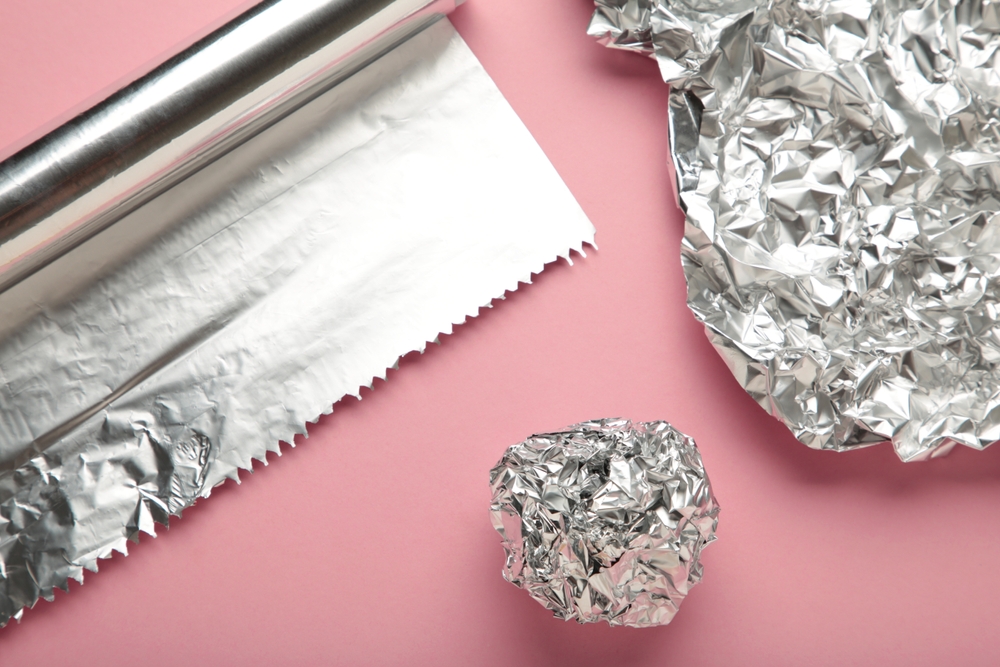
Have you ever stepped away from the kitchen for just a brief moment, only to return and discover that your canine companion has raided the garbage bin, devouring aluminum foil along with everything else in sight? Perhaps your pup cleverly grabbed a glistening wad of foil-wrapped leftovers straight from the countertop. Now, you’re left staring at an empty package, debating whether it’s time to head straight to the emergency veterinarian or if this is simply one of those routine mishaps that come with sharing your life with a dog.
What Really Occurs When Dogs Ingest Aluminum Foil
Aluminum does not qualify as a heavy metal, meaning it lacks inherent toxicity when accidentally swallowed by dogs. In the vast majority of instances, the aluminum foil simply journeys through your dog’s gastrointestinal system undisturbed and emerges naturally at the other end. On occasion, it exits in remarkably reflective fragments that resemble a miniature disco ball sparkling in your backyard or on your walking path.
However, complications can arise under particular circumstances. For example, when a substantial volume of foil is ingested, especially if it has been crumpled into a dense, compact mass, or if the contents previously wrapped within the foil posed any health hazards, swift action becomes essential to prevent serious issues.

Significant quantities of foil carry the potential to provoke obstructions within the digestive pathway. Should your dog consume a tightly balled-up piece of foil or several sizable portions, there exists a genuine possibility of developing either a partial or full blockage somewhere along the esophagus, stomach, or intestinal tract. Even in scenarios where the material does not become lodged, its passage can still chafe and inflame the delicate mucosal linings of these organs, potentially resulting in trace amounts of blood appearing in the feces.
Moreover, the substances enclosed by the foil often represent the primary threat. Aluminum foil is commonly used to package various foods, and it is these accompaniments that frequently harbor the true dangers. Items such as chocolate, onions, grapes, high-fat meats, or even rancid remnants from previous meals can trigger a spectrum of severe conditions, including acute poisoning, bacterial infections leading to gastrointestinal distress, or even life-threatening pancreatitis. Identifying exactly what was wrapped inside the foil is just as crucial as noting the ingestion of the foil itself when evaluating risks.
Dogs with a pattern of repeatedly consuming foil face amplified dangers over time. A single isolated episode is typically inconsequential and resolves without intervention. Yet, habitual foil ingestion allows fragments to build up gradually within the digestive system. These accumulations can intermingle with other indigestible debris, eventually coalescing into a bezoar-a hardened, immovable mass capable of obstructing normal gut function. Furthermore, such persistent behavior might indicate an underlying condition like pica, which is an abnormal craving for non-nutritive substances, or it could stem from a nutritional imbalance that warrants a thorough veterinary examination and diagnostic testing.
Immediate Steps to Take Following the Incident
The first priority is to maintain composure and initiate careful monitoring of your dog’s condition. Over the ensuing 24 to 48 hours, keep a vigilant watch on their behavior, appetite, hydration levels, and elimination patterns. To facilitate smoother passage of the foil, consider dividing their regular meals into smaller, more frequent portions while ensuring unrestricted access to clean, fresh water. Regularly inspect their bowel movements, as you will probably notice distinctive metallic glints signaling the foil’s progression through their system.
In cases where a substantial amount of foil was consumed or if you witnessed your dog gulping down a firmly packed foil ball, it is prudent to contact your veterinarian without delay for personalized advice. They might recommend scheduling an in-person evaluation, possibly including diagnostic imaging such as X-rays, to pinpoint the foil’s position and gauge the likelihood of any impending blockages.
Critical Signs Requiring Urgent Veterinary Attention
Although the majority of foil ingestion cases self-resolve without medical intervention, specific red-flag symptoms demand immediate professional assessment to avert escalation:
- Ingestion of a large volume of aluminum foil
- Foil that previously contained known toxins such as chocolate, onions, grapes, or similar hazardous foods
- Refusal or cessation of eating and drinking
- Onset or persistence of vomiting episodes
- Displays of lethargy, unusual depression, or evident discomfort
- Abdominal distension or tenderness upon palpation
- Presence of blood in the stool that persists beyond 24 hours or worsens in volume

Always prioritize your instincts as a pet owner. When in doubt about your dog’s well-being, err on the side of caution and reach out to your veterinarian promptly-it’s far better to receive reassurance after a check-up than to delay care unnecessarily.
Key Takeaways on Dogs and Aluminum Foil Ingestion
Aluminum foil may appear daunting at first glance due to its shiny, unnatural presence, but rest assured it does not carry inherent poisonous properties for dogs. The overwhelming number of affected pets eliminate it naturally without any lasting effects. True concerns emerge primarily from excessive quantities capable of causing mechanical blockages, dangerous substances once contained within the foil, or chronic habits that could point to broader health or behavioral challenges requiring attention.
Dedicate the next few days to diligent observation of your furry friend. As long as they maintain their usual vitality, show no signs of distress, and continue to eat, drink, and eliminate normally, the episode should pass uneventfully. Should any irregularities arise, your trusted veterinarian stands ready as the ultimate authority for tailored guidance, diagnostics, and treatment if needed. The good news is that most dogs recover swiftly from such metallic indiscretions, often with just a bit of extra vigilance to deter future trash-diving adventures.
To expand on prevention strategies, consider securing trash bins with tight-fitting lids or placing them in inaccessible locations. Training commands like “leave it” or “drop it” can prove invaluable in curbing opportunistic snacking. For dogs exhibiting pica-like tendencies, a comprehensive veterinary workup-including blood tests for nutritional deficiencies, parasite screenings, and behavioral consultations-can uncover and address root causes effectively.
Understanding the digestive anatomy of dogs further illuminates why small foil pieces often pass harmlessly. A dog’s robust stomach acids and muscular gut contractions propel most foreign objects forward efficiently. However, sharp crimps or bulky wads challenge this process, heightening obstruction risks, particularly in smaller breeds with narrower intestinal diameters. Breeds prone to rapid eating, such as Labradors or Bulldogs, may exacerbate these dangers by swallowing larger bites hastily.
Regarding the foil’s contents, toxicity profiles vary widely. Chocolate’s theobromine stimulates the central nervous system deleteriously, onions and grapes assault red blood cell production, while fatty foods overload the pancreas. Spoiled items introduce pathogens like Salmonella or Clostridium, leading to hemorrhagic gastroenteritis. Disclosing these details to your vet enables precise antidote administration or supportive therapies like anti-emetics, fluids, or enzyme inhibitors.
For monitoring protocols, log stool inspections meticulously: note foil visibility, consistency changes, blood traces, or straining efforts (tenesmus). Track vital signs-normal temperature hovers at 100-102.5°F (37.8-39.2°C), heart rate 60-160 bpm depending on size, and gums should be moist and pink. Deviations warrant escalation.
Home care adjuncts include a bland diet transition post-passage: boiled chicken and rice in 1:3 ratios for 48-72 hours, gradually reintroducing kibble. Probiotics support gut flora recovery, but avoid laxatives or hydrogen peroxide without vet sanction, as they can precipitate perforations or ineffective vomiting.
Long-term, environmental modifications shine: countertop barriers, puzzle feeders to combat boredom-driven scavenging, and chew toys mimicking foil’s crinkle for safe outlets. Nutritional audits ensure balanced minerals like zinc or iron aren’t deficient, fueling pica. Routine deworming and dental checks prevent secondary ingestions from gum disease.
Veterinary interventions scale with severity: outpatient monitoring for mild cases, hospitalization with IV fluids and serial radiographs for obstructions, or surgery (enterotomy/ gastrotomy) as a last resort-success rates exceed 90% with prompt action, though costs range $2,000-$5,000. Prognoses brighten immeasurably when owners act decisively.
In essence, while foil escapades spark momentary alarm, armed with knowledge, pet parents navigate them adeptly, safeguarding their dogs’ health through vigilance, preparation, and professional partnership.