
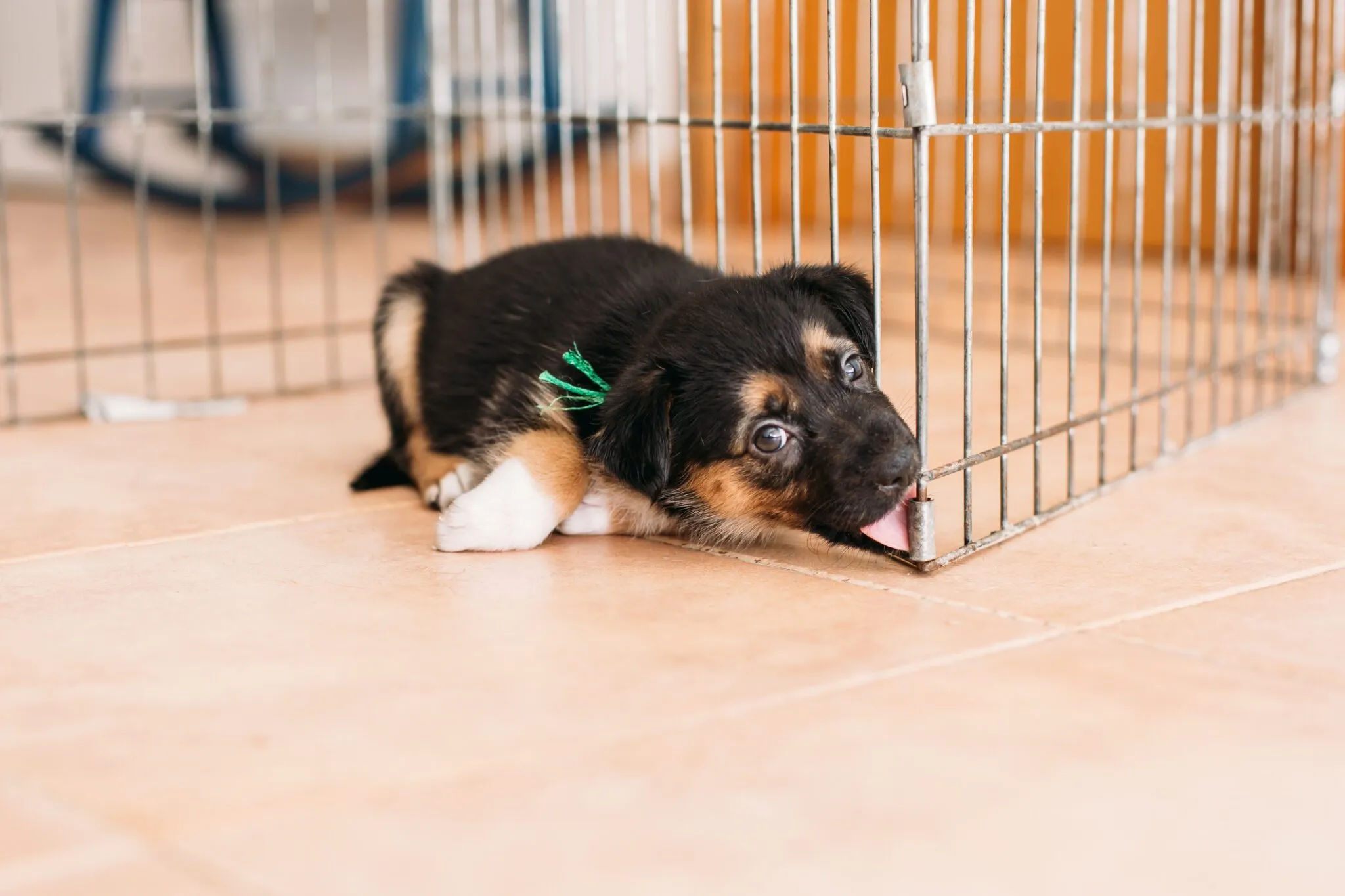

The most effective strategy to prevent kennel nose in dogs involves beginning training during the puppy stage, ensuring the animal learns that a kennel, crate, or exercise pen is a positive and comfortable space rather than something negative. Credit: Os Tartarouchos | Getty Images
Individuals who have owned a dog that experiences stress while confined in a crate are unfortunately well-acquainted with the issue known as kennel nose in dogs. If you have yet to encounter this particular problem, that is certainly fortunate; however, it remains essential to gain a comprehensive understanding of kennel nose in dogs should it arise in the future with your pet.
What Exactly Is Kennel Nose?
Kennel nose develops when a dog persistently rubs its nose against various surfaces, with the crate or kennel being the most frequent culprit in such cases. This repetitive action can also stem from contact with other items like bedding, fences, beds, or even occur during digging activities, though confinement in a kennel remains the predominant trigger for this condition. A dog suffering from kennel nose typically exhibits a nose that appears reddened and swollen, potentially accompanied by scabs, crusty patches, and in more severe instances, open sores. The severity of kennel nose can range widely, from mild surface irritation to more serious manifestations involving bleeding and scabs that necessitate immediate first aid intervention.
Effective Treatments for Kennel Nose
When addressing kennel nose treatment, consulting your veterinarian represents a crucial initial step, particularly in situations where scabs or bleeding are present. It is advisable to delicately clean the affected area on the nose to minimize the risk of infection, followed by the application of an antibacterial ointment formulated specifically for canine use. Your vet can recommend suitable over-the-counter options or provide a prescription-strength alternative tailored to your dog’s needs.
In cases where the irritation on the nose is particularly pronounced, employing an Elizabethan collar might be necessary to halt any additional rubbing and protect the skin from further harm. While this measure offers immediate relief, it is equally important to investigate and resolve the underlying reasons contributing to the kennel nose in your dog. By pinpointing and eliminating the root cause, you can effectively prevent future occurrences, much to your dog’s appreciation and long-term comfort.
Is Anxiety the Primary Culprit Behind Kennel Nose?
At its core, kennel nose arises from some form of anxiety experienced by the dog. Identifying the specific trigger responsible for the nose rubbing provides key insights into prevention strategies. For issues directly related to crate aversion, proactive measures such as teaching your dog to view their crate or kennel as a safe and enjoyable environment can completely avert this problem. Should your dog be grappling with separation anxiety that prompts frantic rubbing against the enclosure, targeted interventions to alleviate this anxiety are imperative.
If the behavior involves burying items using their nose in particular scenarios, carefully assess the context to identify anxiety-provoking elements. For instance, does the rubbing intensify when visitors arrive at the home? Might a disruption in the daily routine be a factor? Could interactions from other household members, be they humans or fellow pets, be perceived as intrusive by your dog? Thoroughly evaluating these possibilities is vital to addressing and resolving the impulse to bury objects with the nose.
Certain dogs engage in such vigorous burying of their possessions within their bedding or bed that it results in kennel nose development. This conduct may represent a subtler manifestation of resource guarding. In these instances, the dog feels overwhelmed by possession of specific high-value items, prompting them to bury these objects as a means of safeguarding them. Observations of dogs performing this with premium treats like bones or bully sticks, especially when they do not feel secure enough to consume them openly, are not uncommon. Tackling this behavioral pattern warrants dedicated strategies, which could form the basis of an extensive discussion in its own right.
Vigilantly observing your dog during episodes of this nose-burying activity will prove invaluable in uncovering the precise source of the problem. Once the cause is clearly identified, implementing appropriate preventive actions becomes straightforward, significantly reducing the likelihood of kennel nose recurrence.
Could Boredom Be Contributing to Your Dog’s Kennel Nose?
Should boredom be the underlying issue affecting your dog, a thorough review of their everyday routine with an emphasis on incorporating additional forms of enrichment should take priority. Dogs that receive ample mental stimulation tend to exhibit greater overall happiness and contentment. Incorporating activities such as extended sniffing walks, engaging problem-solving tasks, robust physical workouts, and interactive training sessions can substantially enrich their daily life, effectively warding off boredom-related behaviors.
Beyond these immediate steps, consider expanding your dog’s world with novel experiences. Puzzle toys that dispense treats upon successful manipulation can captivate their attention for extended periods, channeling their energy productively. Rotating toys regularly prevents habituation, maintaining their novelty and appeal. Incorporating scent work games, where hidden treats encourage natural foraging instincts, further enhances mental engagement. Training new commands or tricks not only stimulates the mind but also strengthens the bond between you and your pet. Ensuring a balanced routine that blends physical exertion with cognitive challenges is key to a fulfilled canine companion, minimizing destructive tendencies like excessive nose rubbing.
Additionally, environmental modifications within the home or crate can play a pivotal role. Providing chew-resistant bedding materials that are soft yet durable discourages abrasive rubbing. Layering blankets or adding cushioned mats inside the kennel creates a more comfortable retreat, reducing the urge to paw or rub against hard surfaces. For dogs prone to digging or burying, offering designated digging zones outside or destructible toys mimics these instincts safely. Regular health check-ups remain essential, as underlying medical issues like allergies or skin conditions can exacerbate rubbing behaviors, mimicking kennel nose symptoms.
In summary, while kennel nose presents as a visible nasal injury, it serves as a symptom of deeper emotional or environmental needs. By addressing anxiety through positive crate conditioning, combating boredom via enrichment, and seeking veterinary guidance for treatment, dog owners can safeguard their pets’ well-being. Early intervention during puppyhood establishes lifelong positive associations with confinement spaces, preventing the condition altogether. Observant pet parents who respond promptly to behavioral cues foster healthier, happier dogs less prone to self-inflicted injuries like kennel nose.