When considering the remarkable speeds achieved by various animals across the planet, certain icons immediately spring to mind, such as the cheetah, the gazelle, the peregrine falcon, or even the powerful Thoroughbred racehorse. Yet, it’s intriguing to ponder whether dogs deserve a place among these elite speedsters as well. In the realm of canine capabilities, not every breed possesses the same level of velocity. Certain varieties, particularly those resembling the cheetah in their physique, are specifically engineered for rapid movement.
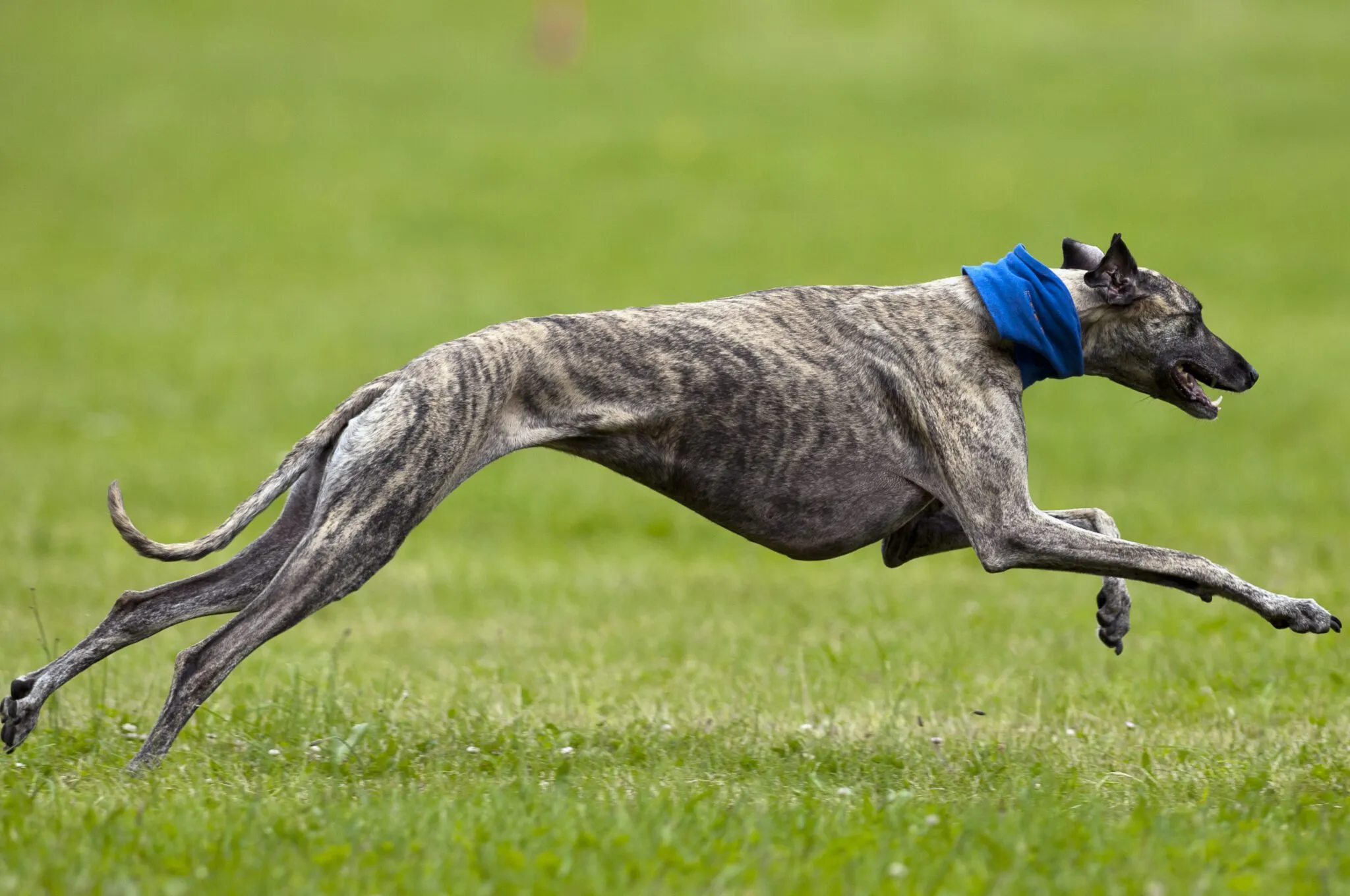
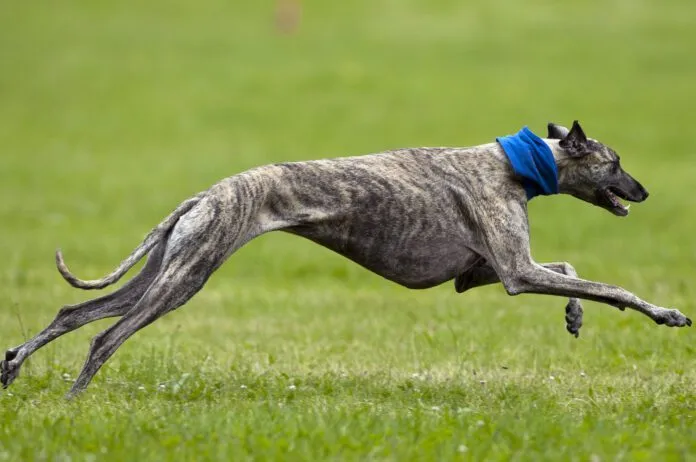 Among all dog breeds, one clearly dominates in terms of outright quickness: the Greyhound. These elegant athletes have been documented reaching velocities as high as 45 miles per hour. Impressively, this isn’t limited to their peak performance; numerous Greyhounds can surge beyond 43 miles per hour over a mere four-tenths of a mile, while accelerating from standstill to 9 miles per hour in roughly two seconds. Such feats highlight their extraordinary prowess in short-distance racing.
To put this into perspective, the cheetah holds the title of the swiftest land mammal, capable of bursting up to 65 miles per hour. However, this blistering pace is sustainable only over extremely brief spans, typically 200 to 300 yards at most. In stark contrast, the Greyhound demonstrates superior stamina at high speeds, sustaining over 35 miles per hour for extended stretches, potentially up to seven miles. This combination of velocity and endurance sets them apart in the animal world.
Given the striking similarities between Greyhounds and cheetahs-comparable body mass, streamlined form, shape, and skeletal structure-one might wonder why Greyhounds don’t match the cheetah’s pinnacle speeds. Scientific investigations reveal key physiological differences. Primarily, the cheetah benefits from elongated limbs and a more flexible spine, enabling strides that cover greater ground per step. Additionally, cheetahs excel by drastically minimizing the time each paw spends airborne during their gait cycle as they accelerate, a feat less pronounced in Greyhounds. These adaptations allow cheetahs to edge out in raw top-end speed.
The Role of Muscle Fibers in Canine and Animal Sprinting Speeds
At the cellular level, both dogs like Greyhounds and cheetahs, akin to elite human sprinters, rely heavily on fast-twitch muscle fibers. These specialized cells facilitate explosive, forceful contractions ideal for brief, intense efforts such as all-out sprints. Studies indicate that Greyhounds possess a higher concentration of these fast-twitch fibers than any other canine breed, giving them a distinct edge in acceleration and velocity.
Contemporary research clarifies that across species-including humans-athletes excelling in speed and power boast a predominance of fast-twitch fibers. Conversely, those optimized for prolonged exertion feature more slow-twitch fibers, which support sustained, fatigue-resistant activity. In Greyhounds, slow-twitch fibers constitute less than 20 percent of their muscle composition. This is notably lower compared to endurance-oriented breeds like Dachshunds, which average over twice that proportion, reflecting their breeding for tasks requiring persistence rather than bursts of pace.
This fundamental trade-off pervades the animal kingdom: optimization for explosive ground speed often compromises long-distance endurance, and vice versa. Sled-pulling dogs provide a prime illustration of endurance breeding. Participants in grueling events like the Iditarod demonstrate this by hauling sleds for 6 to 8 hours daily at consistent speeds around 10 miles per hour, prioritizing stamina over sprinting ability.
Exploring the Speeds of Sighthound Breeds
Certain canine lineages are purposefully designed for superior swiftness, with sighthounds leading the pack. These breeds pursue prey visually, holding their heads elevated and gazes forward, unlike scent-driven dogs that keep noses low to the ground. Their lithe, aerodynamic frames-characterized by slender builds, reduced weight, elongated and angled hindquarters-facilitate exceptional velocities. Sighthounds generally exhibit low body fat percentages, prominently sculpted musculature, and expansive chests that accommodate oversized lungs and hearts for enhanced oxygen delivery.
Approximately 28 sighthound breeds are acknowledged by major kennel clubs, though exact counts vary by registry. Below is a detailed look at some of the quickest performers within this group:
- Greyhound-45 miles per hour: Reigning as the pinnacle of canine speed, Greyhounds captivate with both their top velocity and phenomenal acceleration. Their lineage traces back potentially to ancient Mesopotamia, where skeletal remains from 5000 BCE have been unearthed in burial sites.
- Saluki-42 miles per hour: Honoring the Arabian locale of Salu, this ancient breed ranks as the second-swiftest globally. Originating around 7000 BCE in Egypt, Salukis served nomadic desert dwellers in pursuing swift quarry like gazelles. They mirror Greyhounds in sprinting excellence while sustaining pace across considerable distances.
- Afghan Hound-over 40 miles per hour: Featuring extended, robust legs paired with a supple spine, Afghan Hounds conquer rugged landscapes effortlessly. Hailing from Afghanistan’s highlands, they were selectively bred to chase substantial game including deer and leopards.
- Ibizan Hound-40 miles per hour: Named for Spain’s Ibiza island, this breed accompanied Egyptian royalty in hunts before Phoenician merchants relocated them. Uniquely among sighthounds, Ibizan Hounds leverage hearing, vision, and olfaction. Notably, they can leap six feet vertically from a stationary position.
- Irish Wolfhound-40 miles per hour: Standing as one of the mightiest sighthounds, Irish Wolfhounds often weigh 120 to 180 pounds. Developed to dispatch large predators, they deliver impressive bursts of speed, though better suited to short sprints than prolonged runs.
- Borzoi-36 miles per hour: Also termed Russian Wolfhound-its moniker meaning “swift”-this statuesque, elegant hunter thrives in sprint scenarios. Russian in origin, Borzois accelerate swiftly, rendering them perfect for pursuing elusive wolves and similar quarry.
- Pharaoh Hound-35 miles per hour: Malta’s national emblem, the Pharaoh Hound appears in annals from 3000 BCE. Similar to the Ibizan, it integrates scent and auditory cues alongside sharp eyesight.
- Scottish Deerhound-35 miles per hour: Potentially antedating written records, these hounds earned their title through prowess in deer pursuit. Though not formal racers, they may outpace peers in native terrains.
- Basenji-30 to 35 miles per hour: As a primitive breed with ancient genetic roots, the Basenji hails from West Africa. Famously “barkless,” they communicate via distinctive yodels and howls.
- Whippet-35 miles per hour: Despite compact dimensions, Whippets rival larger kin in pace, covering 200 yards in under 12 seconds. Akin to miniature Greyhounds, their heritage links to 18th-century England.
Beyond these elite sighthounds, numerous other breeds exhibit respectable speeds tailored to their historical roles, from herding to hunting. Factors like age, conditioning, terrain, and individual genetics further modulate performance. Understanding these dynamics not only celebrates canine athleticism but also informs responsible ownership, exercise regimens, and breed selection for active lifestyles.
In summary, while Greyhounds epitomize peak velocity, the spectrum of canine speeds underscores the diversity bred into dogs over millennia. Appreciating these innate talents enhances our bond with these versatile companions, ensuring we support their physical potentials appropriately.