When selecting a slow feeder bowl for your canine companion, it is essential to prioritize aspects such as safety features, thoughtful design elements, and straightforward cleaning processes. These qualities ensure that the bowl not only serves its primary purpose but also integrates seamlessly into your dog’s daily routine without causing any hassle or potential hazards.
If your furry friend tends to devour their meal in mere seconds, introducing a specialized slow feeder dog bowl could make a significant positive difference in their eating habits. Top-quality slow feeder dog bowls are expertly crafted to prolong the duration of mealtimes, thereby promoting better digestion and reducing the risks associated with rapid food consumption. Moreover, these innovative bowls provide mental stimulation and enrichment, turning a simple feeding session into an engaging activity that keeps your dog occupied and satisfied for longer periods.
Dogs that eat too quickly often face serious health concerns, including the dangerous condition known as gastric dilatation-volvulus, more commonly referred to as bloat. This life-threatening issue occurs when the stomach fills excessively with food or gas and then twists, cutting off blood flow and potentially leading to fatal consequences if not addressed immediately by veterinary professionals. By encouraging slower eating paces, slow feeder bowls help mitigate the accumulation of excessive air swallowed during meals, which is a primary contributor to bloat development.
Beyond preventing bloat, slowing down mealtimes offers a range of additional health advantages. For instance, it diminishes the chances of choking or aspiration pneumonia, where food particles are inadvertently inhaled into the lungs. Furthermore, a more leisurely eating approach aids in improved nutrient absorption, as the digestive system has adequate time to break down food effectively. This can lead to better overall gastrointestinal health, fewer instances of regurgitation or vomiting, and even support weight management efforts by making the dog feel fuller sooner without overeating.
Understanding the Design of Slow Feeder Bowls
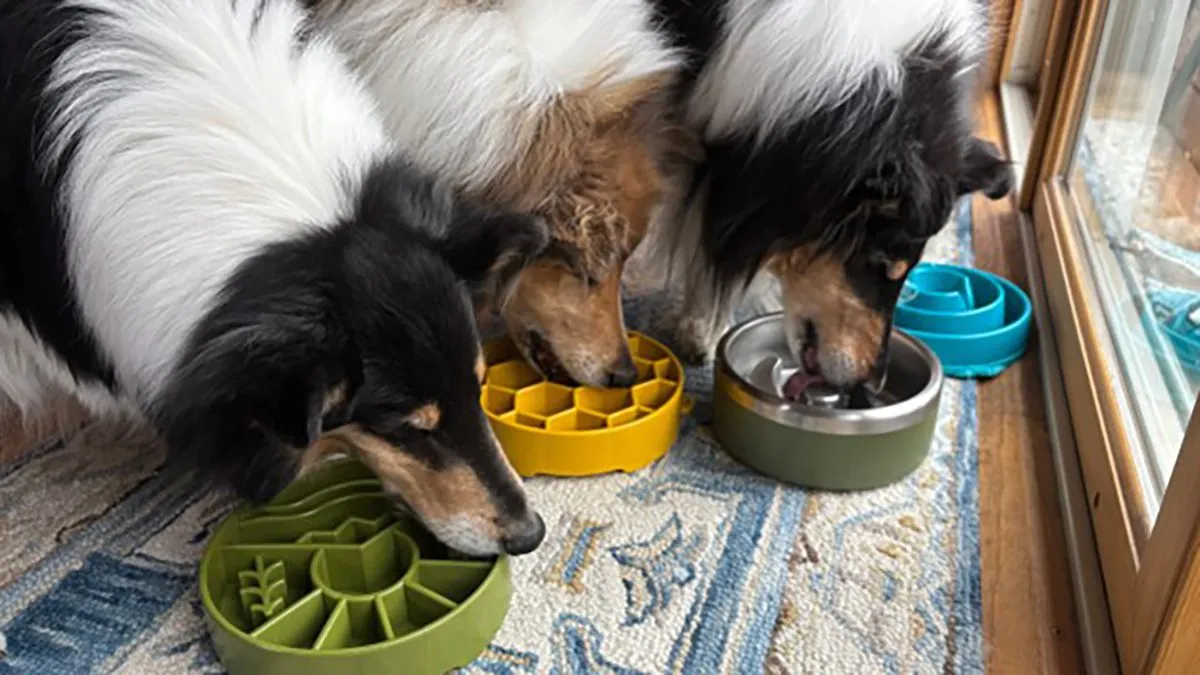
Slow feeder dog bowls come in a diverse array of designs, each tailored to address the unique eating styles and preferences of different dogs. Some models incorporate raised barriers or maze-like patterns that compel the dog to navigate around obstacles to access the kibble, naturally extending the time required to finish the meal. Others feature multiple compartments or puzzle elements that require the dog to work strategically to retrieve each piece of food, adding an element of fun and cognitive challenge to the process.
Material choices play a crucial role in the effectiveness and durability of these bowls. High-quality options are typically constructed from food-grade plastic, sturdy stainless steel, or even eco-friendly ceramic, all of which are non-toxic and resistant to bacterial growth. Stainless steel bowls, in particular, stand out for their exceptional longevity, resistance to dents and scratches, and complete dishwasher safety, making them a favorite among pet owners seeking low-maintenance solutions.
Size and capacity are other critical considerations when choosing the right slow feeder bowl. Puppies and small breeds may thrive with compact versions that match their portion sizes, while larger dogs benefit from spacious bowls that accommodate bigger meals without feeling restrictive. It is advisable to measure your dog’s typical food intake and select a bowl that provides ample room while still promoting the desired slowing effect.
Key Features to Look for in the Best Slow Feeder Bowls
The most effective slow feeder dog bowls distinguish themselves through several standout features. Non-slip bases are indispensable, as they prevent the bowl from skidding across floors during enthusiastic eating sessions, thereby minimizing spills and maintaining stability. Rubber or silicone grips on the bottom ensure secure placement on various surfaces, from hardwood to tile.
Ease of cleaning cannot be overstated. Opt for bowls with smooth interiors and removable parts where possible, allowing for thorough sanitization after every use. Dishwasher compatibility is a bonus that saves time and ensures hygienic conditions, crucial for preventing the buildup of food residues that could harbor harmful bacteria.
Safety is paramount, so avoid bowls with sharp edges, small detachable pieces, or materials that could leach chemicals into the food. Look for products that have undergone rigorous testing for lead, BPA, and other toxins. Additionally, some advanced models include adjustable barriers, enabling you to customize the difficulty level based on your dog’s learning curve and eating speed.
- Non-slip bottom for stability during meals
- Dishwasher-safe construction for effortless cleaning
- Food-grade, non-toxic materials
- Varied obstacle designs to suit different skill levels
- Appropriate sizing for all dog breeds and ages
Benefits Beyond Slowing Eating Speed
Incorporating a slow feeder bowl into your dog’s routine extends far beyond merely decelerating their consumption rate. These bowls serve as valuable tools for behavioral enrichment, satisfying the natural foraging instincts inherent in many canine breeds. By mimicking the challenge of hunting for food in the wild, they provide mental exercise that combats boredom and reduces the likelihood of destructive behaviors stemming from under-stimulation.
For multi-dog households, slow feeders help prevent food guarding and competition at mealtime. Each dog can enjoy their portion at their own pace without rushing to protect their bowl from others, fostering a calmer and more harmonious feeding environment. This is particularly beneficial for dogs with food aggression tendencies, as the extended time allows for better supervision and positive reinforcement training opportunities.
Veterinarians frequently recommend slow feeder bowls for dogs prone to obesity, as the prolonged engagement with food enhances satiety signals to the brain, curbing the urge for snacks between meals. Over time, this can contribute to healthier body weights and sustained energy levels throughout the day.
Tips for Introducing a Slow Feeder Bowl
Transitioning your dog to a new slow feeder bowl should be gradual to avoid frustration or aversion. Begin by placing a small amount of their regular food into the bowl and observing their initial reaction. If they seem puzzled or overwhelmed, start with fewer obstacles by adding a portion of food directly into the easier sections, gradually increasing the challenge as they adapt.
Positive reinforcement is key-praise and reward your dog lavishly for engaging with the bowl successfully. This builds positive associations and encourages enthusiastic participation. Monitor their progress over several meals, adjusting as needed to maintain an optimal balance between challenge and accessibility.
Regular inspection of the bowl is essential to check for wear and tear, ensuring it remains safe and functional. Replace any damaged units promptly to uphold the highest standards of hygiene and safety.
In summary, investing in one of the best slow feeder dog bowls represents a proactive step toward enhancing your pet’s health, happiness, and longevity. These thoughtfully designed products address common eating issues while delivering enrichment that enriches daily life for both dog and owner alike.