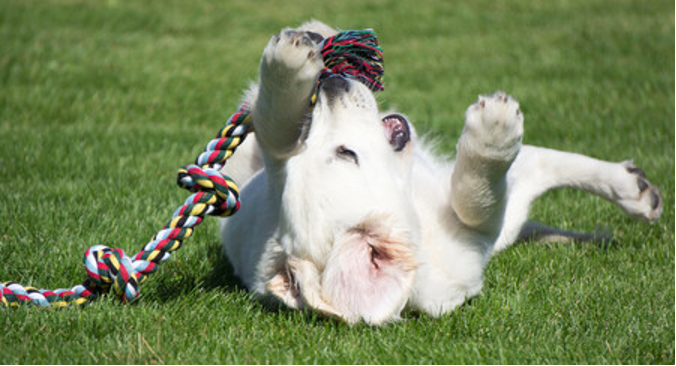
Who can resist the charm of an adorable, fluffy little puppy? These bundles of joy bring endless delight, yet caring for a new puppy involves significant effort and attention. A key duty for every new owner is safeguarding your young companion against dangerous illnesses, particularly parvovirus. Known commonly as “parvo,” this highly infectious virus poses a severe threat, targeting the puppy’s gastrointestinal tract and weakening their immune defenses.
What exactly is parvovirus?
Parvovirus represents a serious viral infection that mainly impacts young puppies and unvaccinated adult dogs. It aggressively assaults the gastrointestinal system, leading to intense symptoms like profound lethargy, persistent vomiting, severe diarrhea, and rapid dehydration. The virus compromises the intestinal walls, permitting normal gut bacteria to enter the bloodstream, which can trigger systemic, potentially fatal infections such as sepsis.
This resilient virus persists in the environment for months under favorable circumstances. Puppies typically encounter parvo through direct contact with an infected animal or indirect exposure via contaminated items like food bowls, play toys, flooring, or bedding materials. Certain dog breeds seem more susceptible, including Rottweilers, Doberman Pinschers, bully breeds like Pit Bulls, German Shepherds, and English Springer Spaniels.
Recognizing the signs of parvovirus in puppies
While the ultimate goal is prevention, it’s crucial for owners to identify early indicators of parvo infection. Prompt veterinary intervention dramatically boosts survival chances. Contact your veterinarian immediately if you observe any of these warning signs in your puppy:
- Frequent episodes of vomiting
- Extreme fatigue and weakness
- Diarrhea that is bloody or has a foul odor
- Complete refusal to eat
- Indicators of dehydration, such as sunken eyes or sticky, dry gums
- Signs of abdominal discomfort or pain, like reluctance to stand or a hunched back
Treating parvovirus in affected puppies
Puppies battling parvo often become critically ill and need specialized care in an isolated facility to prevent spread. The treatment protocol focuses on combating the virus directly while providing comprehensive support to help the puppy’s body recover from the extensive damage. Common therapeutic measures encompass:
- Administration of intravenous fluids to address severe dehydration and restore electrolyte balance
- Antibiotics to ward off secondary bacterial infections that could complicate recovery
- Anti-emetic drugs to control nausea and minimize vomiting
- Customized nutritional support to meet the puppy’s energy requirements during illness
- Elanco Canine Parvovirus Monoclonal Antibody (CPMA), which stands as the pioneering USDA-conditionally licensed monoclonal antibody specifically designed to neutralize canine parvovirus, effectively halting viral progression, enhancing recovery rates, and mitigating the infection’s intensity.
Regrettably, not all puppies pull through even with optimal care, and statistics indicate that up to 91% of untreated cases end in fatality. For those that survive, the path to full health can be protracted, spanning weeks or even months as the intestinal lining regenerates and the gut microbiome stabilizes. Survivors gain lifelong immunity against parvo, though veterinarians might still advise completing the vaccination series to confirm robust protection post-recovery.
Comprehensive checklist for parvovirus prevention
Advancements in parvo treatment have improved outcomes, but it frequently demands hospital isolation, round-the-clock monitoring, and substantial costs. For responsible puppy parents, prioritizing prevention is non-negotiable to avoid such ordeals.
Follow this detailed parvovirus prevention checklist to keep your puppy safe:
- Initiate parvo vaccinations on schedule – These vaccines prove remarkably effective when given prior to any potential exposure. The initial dose should commence between 6 and 8 weeks of age. Veterinarians employ stress-minimizing methods during these visits, often utilizing advanced options like the Elanco TruCan Ultra vaccine series. These innovative vaccines feature reduced fluid volume compared to conventional ones, allowing for faster, less painful administration that enhances the puppy’s comfort.
- Complete all necessary booster shots – Young puppies require parvo boosters at intervals of every 2 to 4 weeks until they are at least 16 to 20 weeks old. Omitting any booster leaves critical gaps in immunity, heightening vulnerability.
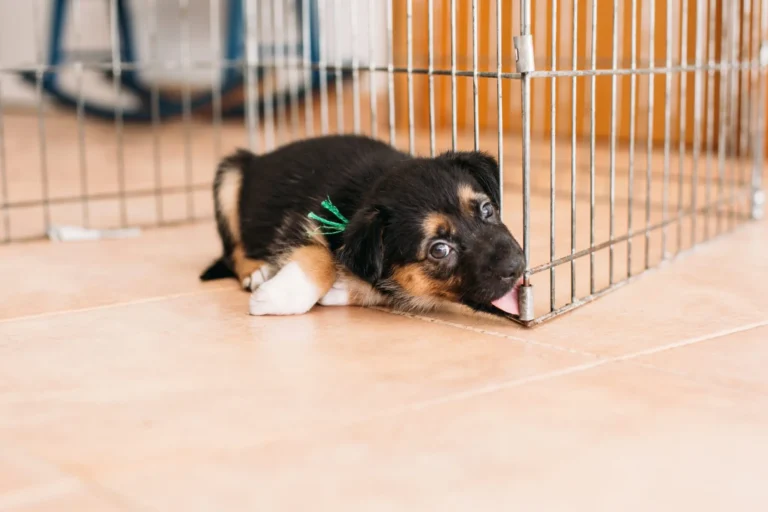
- Steer clear of high-risk public areas – Refrain from exposing your puppy to locations frequented by other dogs, including dog parks, pet shops, or grooming facilities, until after receiving a minimum of two booster vaccinations.
- Maintain strict hygiene protocols – Regularly wash your hands before and after interacting with your puppy. This simple habit significantly lowers the chance of transmitting parvo or other pathogens, particularly if you handle multiple dogs in your daily routine or living environment.
- Prioritize controlled socialization – Early socialization remains vital for behavioral development, yet it carries risks when puppies meet unfamiliar dogs. Minimize parvo threats by limiting interactions to trusted, fully vaccinated adult dogs until your veterinarian confirms your puppy’s immunity is solid.
Administering the parvo vaccine stands as the most reliable method to shield young puppies from this devastating condition, paving the way for a vibrant, healthy life. Products like Elanco’s TruCan Ultra parvo and combo vaccines facilitate a low-stress vaccination process, fostering positive associations with veterinary care that last a lifetime. Parvo vaccination not only averts immediate dangers but also builds a foundation for ongoing wellness and enjoyable vet interactions. By adhering to these guidelines, you empower your puppy to thrive without the shadow of this perilous disease.