It is feasible to perform a spay procedure on a female dog even when she is experiencing her heat cycle, though this approach typically involves elevated expenses and an extended period for recuperation. Most veterinary professionals strongly advise postponing the operation until the dog has completed her current heat phase and returned to a normal state between cycles. Conducting the surgery amid an active heat period complicates the process significantly, often requiring prolonged administration of anesthesia, resulting in a more gradual postoperative recovery, and usually incurring additional charges due to the intricacies involved. Furthermore, dogs undergoing this procedure during estrus are prone to noticeable fluctuations in temperament and conduct throughout their healing phase.
My Dog Is Currently in Heat and Experiencing Bleeding
Dealing with a dog in the midst of her heat cycle can certainly be challenging and inconvenient for pet owners, yet it does not constitute a medical crisis that demands immediate intervention. It remains entirely manageable with the right strategies. You have the option to consult thoroughly with your veterinarian regarding the potential hazards associated with performing a spay surgery during this time, but it is highly probable that the expert guidance will lean toward patience and waiting for the cycle to conclude. Ultimately, the decision rests with you as the responsible owner, but implementing meticulous management techniques, such as utilizing specialized doggie diapers or panties, can effectively control the situation. A female dog’s initial heat cycle typically manifests sometime between 4 and 6 months of age. Following the completion of this debut estrus phase, it becomes practical to arrange the spay surgery for a timeframe of a couple of months later. In general, female dogs enter their heat cycles approximately twice annually, providing predictable windows for planning.
How Risky Is Spaying During a Dog’s Heat Cycle?
During the estrus phase, commonly referred to as being “in heat,” a female dog’s reproductive system undergoes substantial physiological transformations. Her organs, including the uterus and ovaries, become notably engorged with blood, and elevated levels of reproductive hormones course through her bloodstream. These alterations render the dog highly receptive to mating with males and optimally prime her body for the possibility of conception and gestation.
Regrettably, this increased vascularization and tissue fragility in the swollen reproductive structures pose significant challenges during surgical intervention. The heightened blood flow through the uterus and ovaries increases the potential for excessive hemorrhage, making the procedure technically demanding for the veterinary surgeon. The medical team must proceed with utmost caution to prevent inadvertent damage to these sensitive tissues while meticulously controlling any bleeding that arises. Consequently, the operation extends in duration, which not only heightens the overall risk but also contributes to substantially higher procedural costs for the owner.
Understanding the Spay Surgical Procedure
The technical designation for spaying is ovariohysterectomy, which entails the complete excision of both the uterus and the ovaries. This qualifies as a substantial abdominal surgery requiring general anesthesia. The veterinarian initiates the process by creating a precise incision in the abdominal wall to access the reproductive tract. The uterus and ovaries are then carefully isolated, ligated to prevent bleeding, and removed from the body. Once the surgeon verifies the absence of any internal hemorrhage and ensures hemostasis throughout the abdominal cavity, the incision site is meticulously closed using absorbable sutures and external skin stitches or staples.
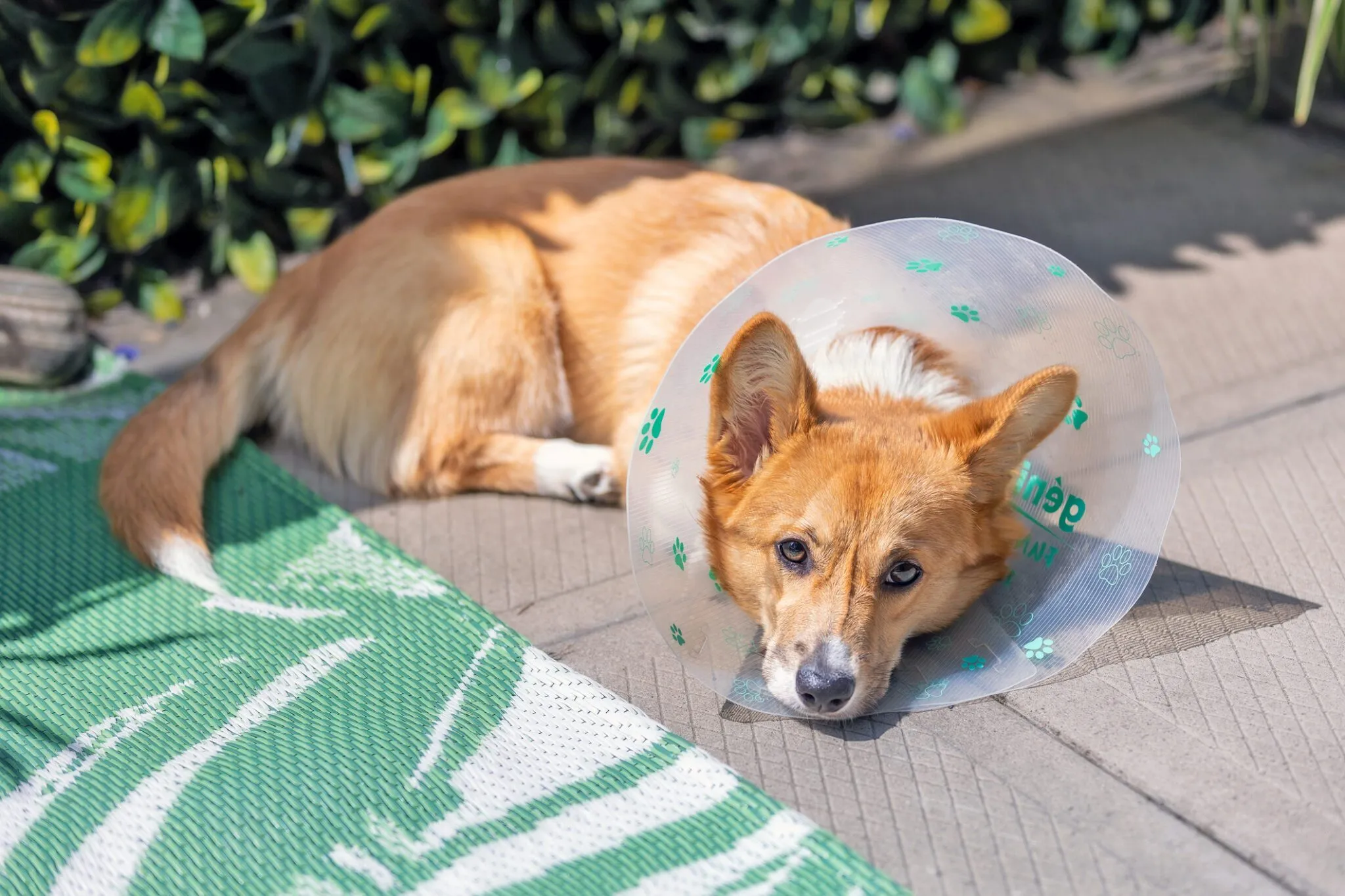
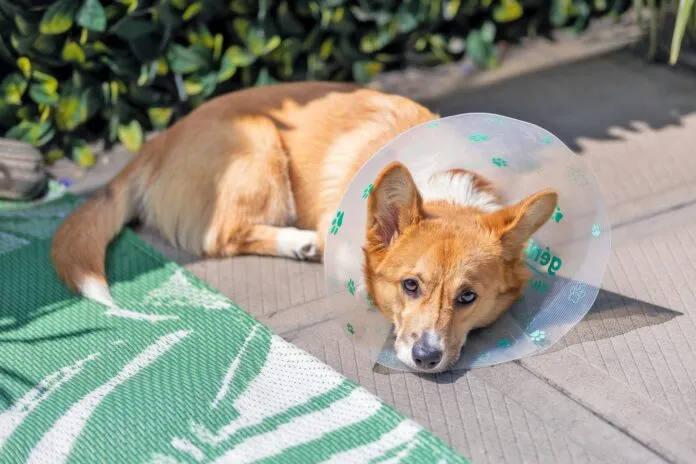
Standard spay incisions generally require 10 to 14 days for the initial phases of healing to take place. Throughout this critical window, diligent postoperative care is essential. Owners must vigilantly prevent their dog from accessing the surgical site through licking, chewing, or excessive grooming, often employing an Elizabethan collar or cone. Additionally, restricting physical activity to short, leashed walks is crucial to avoid strain on the healing tissues. Beyond this preliminary recovery stage, the incision and surrounding structures progressively strengthen over the ensuing months, achieving full robustness gradually.
Effects of Spaying a Dog While She Is in Heat
Opting to spay a dog during her heat cycle induces a rapid and dramatic shift in her hormonal profile, akin to an emotional rollercoaster. The procedure abruptly eliminates the primary sources of reproductive hormones, transitioning her from peak estrogen and progesterone levels to near absence in a compressed timeframe. This hormonal upheaval frequently manifests as behavioral anomalies, including heightened mood swings, excessive clinginess toward owners, elevated anxiety levels, or uncharacteristic irritability persisting for several weeks post-surgery. Fortunately, these transient adjustments typically stabilize as the dog’s endocrine system adapts over time.
It is important to recognize that the extirpation of the ovaries and uterus also abolishes the production of key sex hormones like estrogen and progesterone. These substances play vital roles in modulating a female dog’s emotional stability, self-assurance, appetite regulation, and resilience to stressors. While the majority of spayed females preserve their fundamental personality characteristics, subtle variations in confidence, vitality, or overall demeanor may emerge. In uncommon instances, some dogs exhibit increased inter-dog aggression following the procedure, though this remains exceptional.
Moreover, if the spay occurs at a very young age, particularly in larger breeds, there may be long-term health ramifications. Potential concerns encompass orthopedic disorders such as hip dysplasia or cranial cruciate ligament tears, urinary incontinence due to sphincter incompetence, and altered susceptibilities to certain cancers including mammary tumors or osteosarcoma. Veterinary consensus often tailors spay timing recommendations to the dog’s projected adult size and breed predispositions, with evidence suggesting that delaying spay in giant breeds until skeletal maturity mitigates these risks.
Determining the Optimal Timing for Spaying Your Dog
The ideal window for spaying generally falls in the interval between heat cycles, allowing the reproductive system to return to its baseline state. Engage in a detailed discussion with your veterinarian to pinpoint the most advantageous schedule, which might precede the first heat for small breeds or follow full maturation and several cycles for larger ones. A practical approach often involves booking the surgery two to three months post-heat, ensuring ample recovery from hormonal surges.
Circumstances necessitating an in-heat spay are relatively rare but include life-threatening conditions like pyometra, an acute uterine infection demanding urgent excision; logistical impossibilities in rescheduling; or imminent risks of unintended breeding. In such compelling scenarios, proceed with the operation but prepare for an extended vigilance period during early recovery. Afford your dog extra patience and gentle handling as she navigates the intensified hormonal withdrawal and surgical healing concurrently.