Welcome to the insightful “Ask Dr. Paola” series, featured every Monday, where veterinarian Dr. Paola Cuevas (MVZ) delivers expert guidance directly to help pet owners gain a deeper understanding of their dogs’ health and overall wellness.
Regardless of whether you are a first-time dog owner or someone with years of experience caring for canines, Dr. Paola stands ready to address your most urgent concerns. She covers everything from essential nutrition advice and proactive health maintenance strategies to resolving frequent behavioral challenges, ensuring your beloved pet remains joyful and thriving. Keep following along for professional recommendations on the key subjects that impact you and your four-legged family member, empowering you to make well-informed choices and deliver optimal care to your dog.
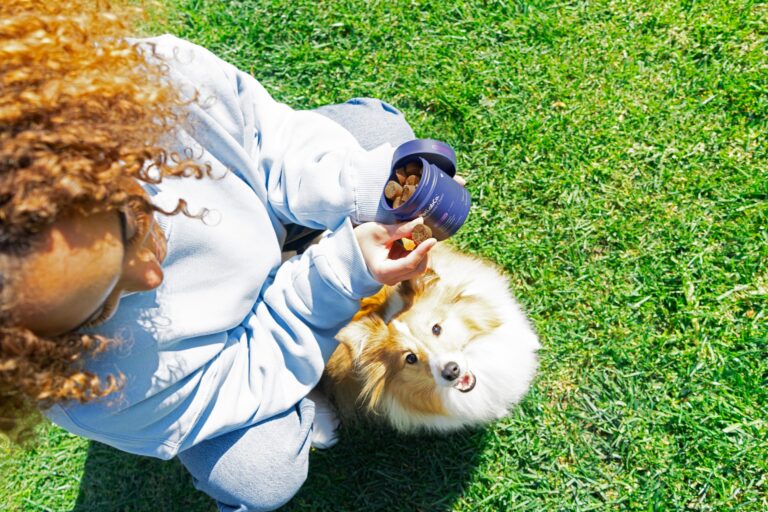
Do Minties Dog Chews Contain Garlic?
“I noticed that Minties dog chews list garlic as an ingredient, but I’ve heard garlic is poisonous to dogs. Can you explain what’s going on?” – Brenda
Hello Brenda,
I took the time to thoroughly review the product details on the manufacturer’s official website, and I can confirm that garlic does not appear in the ingredient lists for their latest formulations. This discovery should offer you considerable reassurance, as the ingredient label on the physical packaging you hold is always the most trustworthy source of information. Nevertheless, it is worth mentioning that companies occasionally reformulate their recipes over time, which could account for discrepancies between past product versions and the ones currently on the market.
Your caution regarding the inclusion of garlic in any dog treat or food product is entirely justified and commendable. Garlic harbors organosulfur compounds that possess the potential to harm red blood cells when administered in substantial quantities, and this is precisely the process that leads to the anemia we are concerned about in canine patients. As the adage goes, the dose determines the poison – much like how a minuscule amount of salt poses no threat, whereas consuming an entire cup could prove disastrous. In certain veterinary-approved formulations, minute and precisely measured doses of garlic extract might be incorporated to improve taste appeal or to act as a natural insect deterrent, but these quantities are deliberately maintained at trace levels that stay well below any dangerous thresholds. The critical factor here is that such inclusions are meticulously controlled to prevent any oxidative damage to the dog’s cells. For responsible pet owners, the most straightforward approach to safeguarding your dog’s health involves meticulously reading labels and opting for products that exclude superfluous Allium family components. This strategy allows your dog to benefit from the oral health advantages of dental chews without unnecessary risks. Should you ever find yourself uncertain about a particular ingredient in your dog’s diet or treats, professional consultation is readily available – our team at Pangovet is always prepared to discuss potential concerns and provide clarity on safety aspects.
Warmest regards,
– Dr. Paola
Parvo Outbreak in My Area: Puppy Survival Odds?
“Dear Dr. Paola,
My puppy Blossom is doing well and safe for now, but there’s news of a parvovirus outbreak in our local area. Statistically speaking, what are the survival probabilities for a puppy that contracts it?” – Charlene
Hi Charlene,
It’s wonderful to know that Blossom is secure and healthy – that’s certainly a huge sigh of relief for you. Regarding canine parvovirus, the implementation of early detection combined with aggressive supportive treatment can dramatically alter the prognosis. When puppies receive immediate hospitalization featuring comprehensive fluid therapy, balanced electrolyte replenishment, anti-nausea medications, and meticulously managed nutritional supplementation, the survival rates for those under professional care frequently climb into the seventy to ninety percent range. This positive outcome stands in sharp contrast to cases where no intervention occurs, which unfortunately carry significantly diminished prospects for recovery – underscoring just how vital prevention strategies and swift action truly are in combating this disease.
Parvovirus acts aggressively, much like a sudden and intense storm that rapidly overpowers an immature immune system in young dogs. Factors such as the puppy’s age at exposure, their current hydration levels, and the promptness with which medical treatment commences all play pivotal roles in determining the final results. Puppies that have completed their vaccination schedule benefit from heightened immunity, as their bodies have already been primed to identify and combat the virus more effectively upon encounter. To protect Blossom during this period of local outbreak risk, ensure her vaccination protocol remains up to date, steer clear of environments with elevated exposure potential until her full series is administered, and stay vigilant for any indications of gastrointestinal distress or broader systemic symptoms that might signal infection.
All the best,
– Dr. Paola
Stray Dog Found: Circling Behavior Explained
“Yesterday, I came across a stray dog who seems very gentle and friendly. He eagerly ate the dinner and breakfast I provided, and he approaches me willingly for affection and pets. However, this afternoon, I observed him pacing in circles around his bed. What might this indicate?” – Justin
Dear Justin,
To begin, I want to extend my heartfelt thanks for stepping in to offer this stray dog the essential nourishment, warmth, and compassion he so desperately needed after his time on the streets. When a dog starts exhibiting circling behavior, particularly if it is a recent development, it most commonly signals the presence of an underlying medical condition rather than mere habitual or playful antics. This repetitive circling often arises from disruptions in the vestibular system, which governs balance, or from issues involving the brain or inner ear structures. Canines may traverse in tight loops in a manner akin to how humans might veer unsteadily when experiencing vertigo or dizziness. Additionally, underlying ear infections causing discomfort, or even age-related cognitive disorientation, can manifest as persistent pacing or circling near their designated resting areas.
Given the unknown medical history of this dog and the clear emergence of a neurological symptom, arranging for a comprehensive veterinary evaluation is of paramount importance without delay. A skilled veterinarian will perform a detailed neurological assessment, inspect the ears for signs of infection or inflammation, gauge for any pain responses, and systematically exclude possibilities like vestibular disorders, exposure to environmental toxins, or various infectious agents. It’s heartening that he displays friendliness, maintains a good appetite, and actively seeks out your interaction – these are positive indicators of his temperament and basic well-being. However, circling is not a symptom to observe and wait out on your own; proactive veterinary intervention maximizes his opportunities for a smooth recovery and a secure integration into your home environment. Wishing you both the very best moving forward!
– Dr. Paola