Colitis in dogs is characterized by inflammation of the colon, which is the large intestine. This condition frequently leads to loose stools, diarrhea, or feces that include mucus or visible streaks of blood. It can manifest as an acute episode, appearing suddenly and resolving relatively quickly, or as a chronic issue persisting for more than two to three weeks. Although it can affect dogs of any breed, gender, or age group, specific breeds like German Shepherds and French Bulldogs appear to have a higher susceptibility to underlying conditions that may lead to ongoing chronic colitis.
What Triggers Colitis in Canines?
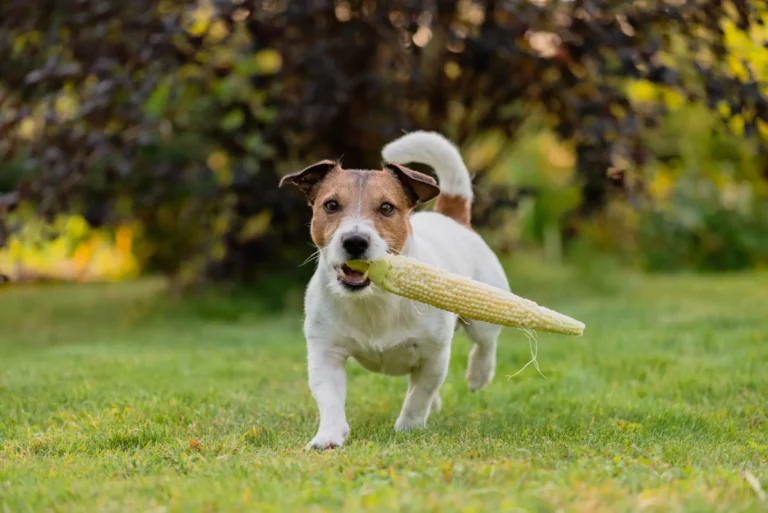
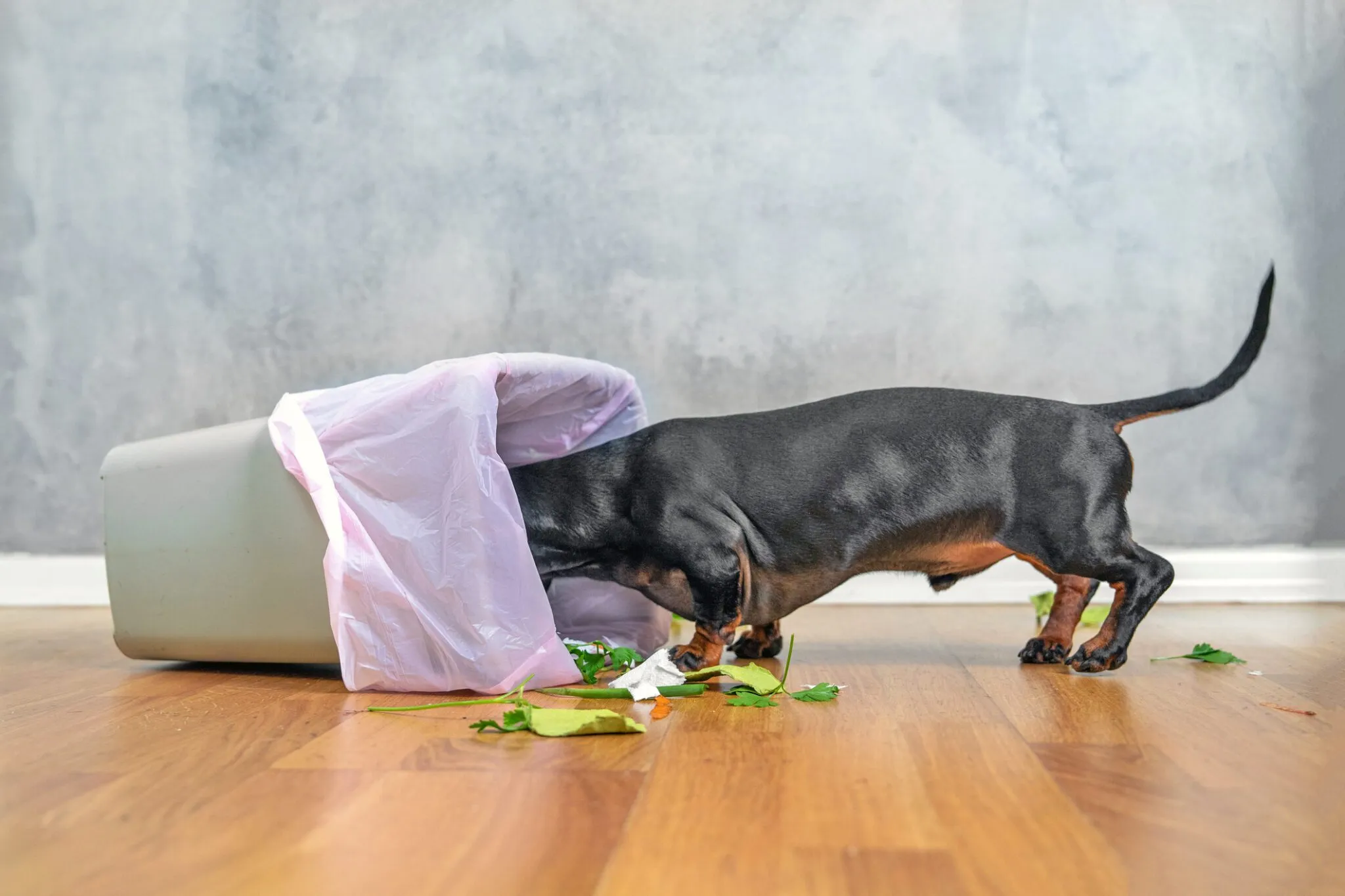
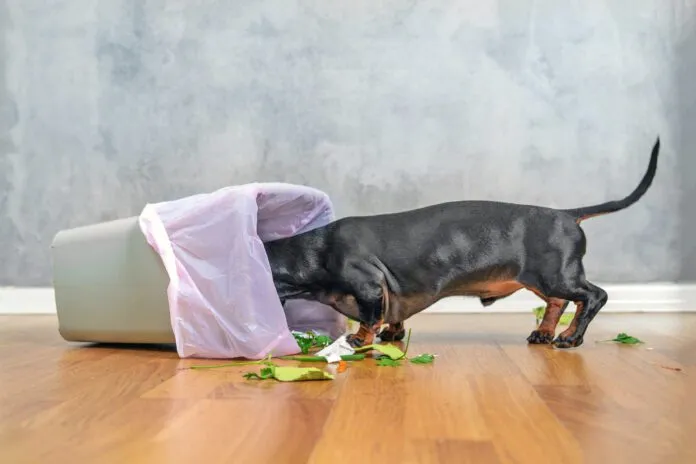
Numerous factors can initiate colitis in dogs. Among the most prevalent triggers is dietary indiscretion, where a dog consumes inappropriate items such as garbage contents, spoiled foodstuffs, or indigestible non-food materials that irritate the gastrointestinal lining. Sudden shifts in diet, allergic reactions to food, or sensitivities to particular proteins and additives are also capable of causing colon inflammation. Pathogenic agents including bacteria, parasitic worms residing in the intestines, and protozoal infections represent further common sources of this problem.
In cases of persistent or recurring colitis, the root cause might involve more serious underlying issues like inflammatory bowel disease (IBD), irregularities in the immune system’s function, or complications arising from secondary ailments such as pancreatitis. Understanding these diverse origins is crucial for effective management and prevention strategies tailored to each dog’s specific circumstances.
Can Stress Induce Colitis in Dogs?
Indeed, stress serves as a frequent precipitant for colitis episodes in dogs. Situations that elevate stress levels, including stays at boarding facilities, long-distance travel, or significant disruptions in the home environment like moving to a new residence or introducing new family members, can disrupt normal gut function and lead to inflammatory responses in the colon. Recognizing these stress-related triggers allows pet owners to implement calming measures proactively to mitigate flare-ups.
Recognizing the Symptoms of Colitis in Dogs
The primary indicator of colitis is the urgent and frequent need to defecate, often resulting in the expulsion of small quantities of soft to watery stool. This stool commonly features mucus coatings or fresh, bright red blood streaks. Affected dogs frequently exhibit straining efforts during defecation attempts, sometimes managing to pass only minimal amounts with each effort. Additional accompanying symptoms may encompass excessive gas production, evident abdominal tenderness or pain, and a marked increase in the overall frequency of elimination trips outside.
Notably, even amid these disruptive gastrointestinal disturbances, the majority of dogs experiencing colitis continue to display normal levels of appetite and vitality. This preservation of energy and interest in food distinguishes milder cases from more severe or extended ones, where systemic impacts might begin to affect overall well-being. Early observation of these patterns enables timely veterinary consultation.
How Do Veterinarians Diagnose Canine Colitis?
Veterinarians generally establish a diagnosis of colitis through a combination of evaluating the presenting clinical symptoms, reviewing the dog’s complete medical and dietary history, and conducting a thorough fecal analysis. This fecal exam is essential for excluding common parasites, bacterial overgrowths, or other infectious contributors. For instances where symptoms recur or persist over time, additional diagnostic procedures become warranted to investigate potential involvement of inflammatory bowel disease or other complicating factors.
These supplementary tests might include blood work panels to assess organ function and inflammation markers, imaging studies such as ultrasounds or radiographs to visualize intestinal architecture, or even endoscopic evaluations with tissue biopsies for definitive histopathological analysis. Such comprehensive approaches ensure accurate identification of the precise etiology, paving the way for targeted therapeutic interventions.
Treatment Approaches for Colitis in Dogs
The management strategy for colitis is highly dependent on pinpointing and addressing the specific underlying cause. Many instances of acute colitis spontaneously improve within a short period, typically a few days, when supported by appropriate home care measures. During this recovery phase, transitioning to a specialized sensitive stomach diet proves beneficial, as it minimizes digestive workload and facilitates healing of the inflamed colonic tissues.
Optimal Nutrition for Dogs Suffering from Colitis
Opting for a wet food formulation is often advisable during colitis recovery, primarily because it aids in restoring hydration levels depleted by repeated episodes of diarrhea or loose bowel movements. Enhancing the moisture content further by incorporating additional water or low-sodium broths supports overall fluid balance and electrolyte replenishment essential for recuperation. Should fecal testing reveal bacterial infections or parasitic infestations, veterinarians will recommend suitable antibiotics or deworming agents to eradicate these pathogens effectively.
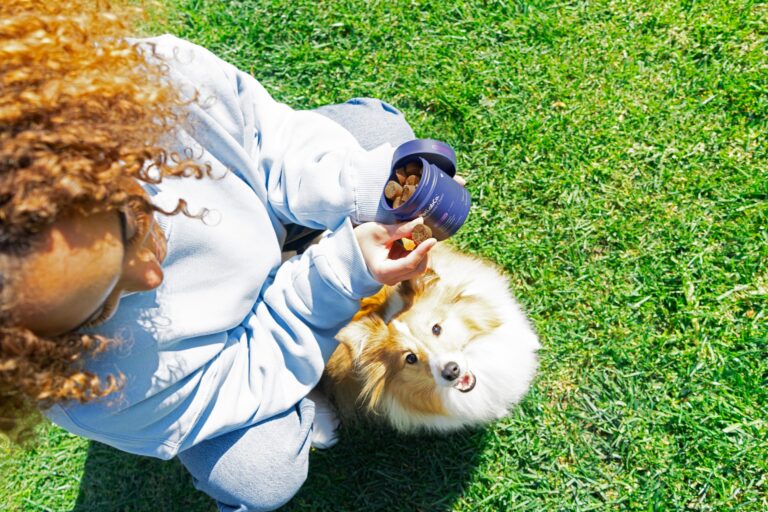
Incorporating probiotics alongside fiber supplements, such as psyllium husk powder, plays a vital role in restoring microbial equilibrium within the gut and promoting firmer stool formation. These supplements are particularly handy during travel or stressful events; convenient stick-pack versions of psyllium fiber products offer practical portability and straightforward administration for on-the-go use.
Managing Persistent or Chronic Colitis in Dogs
When colitis transitions into a chronic pattern, more intensive interventions become necessary. These can encompass anti-inflammatory pharmaceuticals to reduce colonic swelling, specialized prescription diets featuring hydrolyzed proteins designed to minimize allergic responses, or immune-modulating drugs to regulate overactive immune activity. Equally important are lifestyle adjustments, including stress reduction techniques, adherence to a stable feeding regimen, and vigilant avoidance of identified dietary irritants.
Acute colitis cases typically show rapid improvement with initial treatments, often resolving completely in just a few days. Chronic forms, however, demand sustained dietary oversight and routine veterinary check-ins, yet with diligent management, most dogs achieve excellent control over symptoms and enjoy good quality of life.
Preventive measures form the cornerstone of avoiding colitis recurrences. These include implementing gradual dietary transitions rather than abrupt changes, restricting access to tempting but harmful sources like table foods, trash receptacles, or compost heaps, and maintaining consistent schedules for deworming and broad-spectrum parasite preventives. Through proactive vigilance, attentive husbandry practices, and collaboration with veterinary professionals, dogs afflicted with colitis can swiftly rebound to robust health and vitality, resuming their joyful routines without interruption.